Procurement Guide
Commercial Dough Mixer Buying Guide
A commercial mixer should be selected around a real recipe and production schedule—not bowl size alone. Use this guide to prepare a comparable RFQ and a representative supplier test.
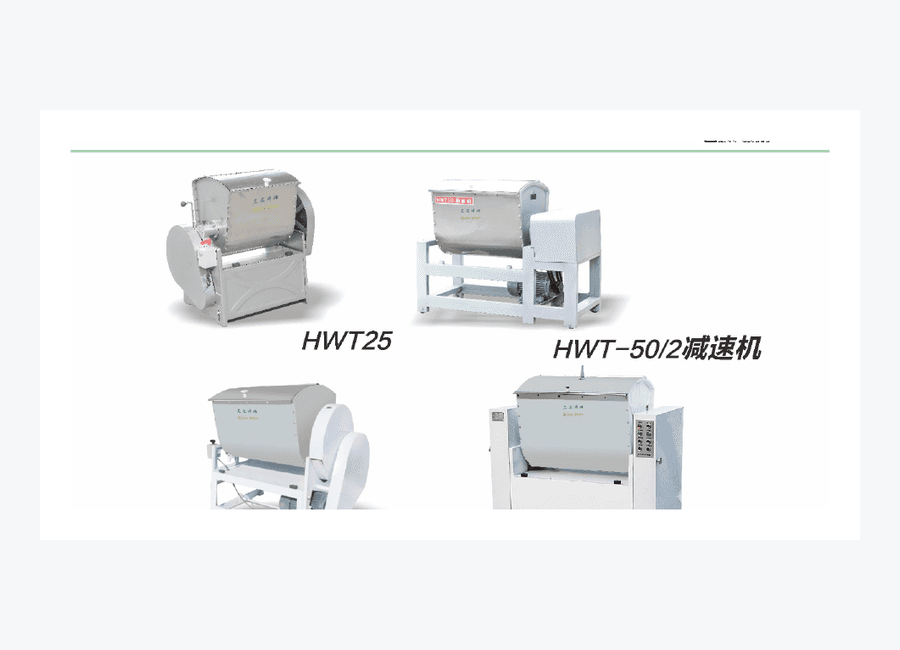
1. Define every dough and recipe
Bread, pizza, steamed products and other doughs can place different demands on a mixer. Send the flour type, hydration range, added oil or sugar, initial ingredient temperature, finished dough target and any product changes during a shift. Mark recipes that are still under development instead of presenting estimates as fixed production data.
If one machine must handle several recipes, list the minimum and maximum batch for each. The HWT-75 dough mixer can then be reviewed against the buyer's actual product mix.
2. Specify batch size correctly
State flour weight, water weight and total finished dough weight. Do not compare suppliers using an undefined kilogram figure. Ask whether the quoted load is a maximum, a recommended working batch or a result demonstrated with a particular recipe.
Also identify the smallest batch required. A machine selected only for peak capacity may not mix a much smaller load as expected. Request written confirmation or a test for the intended operating range.
3. Calculate output from the full cycle
Production capacity includes ingredient loading, mixing, stopping, dough discharge, bowl scraping, preparation for the next batch and scheduled cleaning. Record the number of batches per hour and per shift rather than multiplying an ideal mixing time without handling allowances.
If the mixer feeds a divider, sheeter, forming machine or dumpling line, identify the downstream demand and buffer method. The slowest step determines the useful line output.
4. Review power, controls and site layout
Provide destination voltage, frequency and phase, plus the location of the electrical connection. Confirm the proposed motor and control configuration in the final quotation. Measure doorways, operating clearance, loading height, discharge route and the space needed for cleaning and maintenance.
5. Check operator workflow and cleaning
Map how ingredients are weighed and loaded, who removes the dough and how the next process receives it. Ask for the shutdown, isolation and cleaning procedure, accessible food-contact areas, removable parts and recommended cleaning restrictions. The buyer remains responsible for confirming local safety and hygiene requirements.
6. Run a representative test
Agree on the recipe, batch weight, ingredient temperature, mixing stages and acceptance criteria. A useful continuous video shows ingredient loading, the complete cycle, dough condition at discharge and the time required to empty the bowl. Record dough temperature and result consistently if they affect your product.
7. Compare the complete quotation
Normalize the model, working load, electrical configuration, included mixing tools, controls, guards, spare parts, packing, documents, warranty and delivery terms. Ask every supplier to state installation, commissioning and local electrical work exclusions.
Dough mixer RFQ checklist
- Recipes, flour type, hydration and finished dough target
- Minimum, normal and maximum batch weights
- Batches per hour, shift hours and downstream process
- Voltage, frequency, phase, space and doorway dimensions
- Loading, discharge, cleaning and operator workflow
- Test plan, accessories, spares, packing and trade terms
Frequently asked questions
What information should a commercial dough mixer RFQ include?
List each dough or product, flour and finished dough weight per batch, hydration range, batches per hour, operating hours, available voltage and phase, installation space, cleaning method, destination, and requested trade terms.
Should mixer capacity be compared by bowl volume or dough weight?
Use both only with a defined recipe and safe working load. Flour weight, water ratio and finished dough weight affect the load, so ask the supplier to confirm the basis behind every capacity statement.
Why request a mixing test before ordering?
A representative test helps compare mixing time, dough development, temperature change, discharge and cleaning for the buyer's actual recipe. Agree on ingredients, batch size and acceptance criteria before the test.
What should be included in the final quotation?
Confirm the exact model, electrical configuration, included tools and guards, spare parts, packing, documents, warranty, delivery terms, installation responsibilities and exclusions.