Saudi Arabia Buyer Resource
Vegetable Cutting Machine in Saudi Arabia: Procurement Guide
Central kitchens, catering operations, hotels, restaurants, and food processors need a cutter matched to their actual vegetables and finished products. A useful quotation begins with produce, cut dimensions, workflow, site utilities, cleaning, and test evidence.
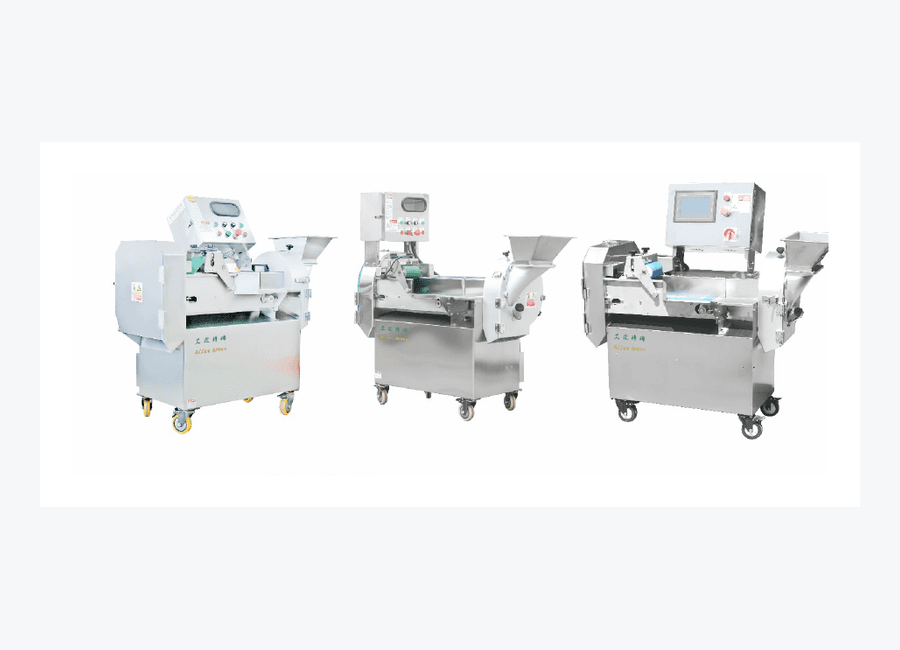
Specify the produce before selecting a model
List the vegetables used during a normal week, their size range, firmness, temperature, and whether they arrive washed or trimmed. Separate leafy vegetables, long vegetables, and firm roots because their feeding and cutting behavior can differ.
Send photos of representative batches. If a machine must handle several product groups, ask the supplier to explain the proposed feeding method and cutter set for each one rather than relying on a general “multifunction” description.
Turn menu descriptions into measurable cuts
State whether the required output is a slice, strip, dice, segment, or cube, followed by the target dimensions and acceptable variation. Add close photographs of the finished product used by the kitchen or factory.
The current range includes the YQC801 multifunctional vegetable cutter, the YQC501 double-head vegetable cutter, the CHD20 vegetable dicer, and the CHD100 vegetable slicer. Selection should follow the agreed application and test.
Calculate useful output for the Saudi operation
Provide kilograms needed per shift, peak service periods, operating hours, batch sizes, and the number of product or cut changes. Explain whether washing, sorting, cooking, packing, or cold storage limits the line.
Ask what produce, preparation condition, cutter and test duration support any quoted capacity. Useful output should account for loading, changeover, rejected cuts, operator breaks and cleaning instead of multiplying a short demonstration rate across a full shift.
Confirm the electrical and installation conditions
Send the measured site voltage, frequency, phase and connection preference. Do not assume the configuration from the destination country alone. Ask the supplier to repeat the proposed electrical specification in the final quotation and machine documents.
Measure doorways, aisles, operating space, worktable and container heights, drainage, and service access. If the cutter connects to washing or packing equipment, include the relevant layout and inlet or discharge heights.
Review cleaning, cutter changes, and operator work
Ask which parts contact food, which components are removable, whether tools are needed, and how operators inspect areas where product may collect. Share the facility’s wash method and cleaning chemicals for compatibility review.
For frequent menu changes, request a demonstration of cutter replacement, adjustment, safe handling, and restart. Record which cutter assemblies are included, which are optional, and how replacements are identified when ordering spares.
Use a written sample-test plan
Agree on the raw material, input preparation, target cut, cutter set, run duration, and acceptance criteria before the test. Request continuous video showing the incoming produce, feeding, discharge, and close views of accepted and rejected output.
If the same Saudi produce is unavailable at the supplier’s location, record the substitute and its differences. A test is evidence for the specified sample and setup; it should not be presented as a guarantee for every future batch.
Compare complete quotations and responsibilities
Normalize offers to the same model scope, cutter sets, spare and wear parts, packing, documents, delivery term, training, warranty and after-sales communication. Confirm the consignee, destination, and who handles freight, customs clearance, local conformity, installation and commissioning.
The Saudi buyer or importer should verify the requirements that apply to the final machine, electrical configuration, food-contact use, workplace and installation site. Do not treat a general supplier statement as confirmation of local compliance.
Saudi vegetable cutter RFQ checklist
- Produce list, normal dimensions, condition, temperature, and photos
- Cut types, target dimensions, accepted variation, and output photos
- Kilograms per shift, peak demand, operating hours, and changeovers
- Upstream and downstream process, room layout, and installation city
- Measured voltage, frequency, phase, connection, and site conditions
- Cleaning method, chemicals, cutter-change workflow, and operator needs
- Test material, acceptance criteria, video evidence, cutters, and spares
- Destination, trade term, packing, documents, warranty, and responsibilities
Frequently asked questions
What should a Saudi buyer include in a vegetable cutter RFQ?
Provide the produce list, normal input dimensions and condition, required cut types and sizes, quantity per shift, operating hours, measured voltage, frequency and phase, installation city, delivery destination, photos, and the test result you want to review.
Can one machine cut leafy and root vegetables?
Some listed machines are intended for more than one vegetable group, but feeding and cutting behavior differs. Identify every material and cut, then ask the supplier to confirm the proposed feed path, cutter set, changeover and representative test.
How should buyers compare supplier capacity claims?
Use the same produce, preparation condition, cut specification and acceptance criteria. Include loading, changeover, rejected output, cleaning and downstream constraints when estimating useful shift output.
What must be checked before shipment to Saudi Arabia?
Confirm the final model, electrical configuration, included cutters and spares, packing, documents, delivery term, consignee and destination. The buyer or importer should verify the Saudi import, conformity, installation, food-hygiene and workplace requirements that apply to the final configuration.